1. What is Tarot?
Tarot is a system of 78 cards, each carrying symbolic imagery that can be used for reflection, meditation, and gaining perspective on life situations. Originating in 15th-century Europe as playing cards, tarot evolved into a tool for self-exploration.
A tarot reading involves drawing cards in response to a question or situation, then interpreting their meanings individually and in relation to each other. The cards don't predict the future — they offer perspectives worth considering.
2. Understanding the Deck
Every tarot deck contains 78 cards divided into two groups:
Major Arcana (22 cards)
The "big lessons" of life. These cards — from The Fool to The World — represent major themes, turning points, and archetypal experiences. When Major Arcana cards appear, pay attention.
Minor Arcana (56 cards)
Daily life experiences across four suits: Wands (inspiration), Cups (emotions), Swords (thoughts), and Pentacles (material world). Each suit contains numbered cards (Ace–10) and four court cards.
3. How to Ask the Right Questions
The quality of your question shapes the quality of your reading. Tarot works best with open-ended questions that invite reflection rather than simple yes/no answers.
"What do I need to understand about my career situation?"
Open-ended, invites insight
"What energy surrounds this relationship?"
Asks for perspective, not prediction
"Will I get the job?"
Yes/no format limits insight
"When will I meet my soulmate?"
Seeks prediction rather than understanding
4. Your First Reading
Start simple. A single-card draw is the foundation of tarot practice.
Single Card Reading Steps
- 1.Find a quiet moment. Hold your deck and take a few breaths to center yourself.
- 2.Shuffle the cards while focusing on your question. There's no wrong way to shuffle.
- 3.When ready, draw a card from anywhere in the deck that feels right.
- 4.Before looking up the meaning, spend a moment with the imagery. What do you notice? What feelings arise?
- 5.Then consult a reference for the card's traditional meaning. Consider how it relates to your question.
5. Common Beginner Mistakes
Memorizing Instead of Understanding
Trying to memorize 78 card meanings leads to frustration. Instead, focus on the imagery. The Rider-Waite-Smith deck tells visual stories — let the pictures speak before reaching for a guidebook.
Drawing Multiple Cards When Confused
When a card doesn't make sense, the temptation is to draw another for "clarification." This usually creates more confusion. Sit with the original card. Understanding often comes with time.
Fearing "Negative" Cards
Cards like The Tower or Death are not bad omens. Every card carries valuable information. "Difficult" cards often point to areas that need attention — which is precisely why they're useful.
6. Where to Go from Here
Once you're comfortable with single-card readings, you're ready to expand:
Start Your Journey: Recommended Decks
Love these decks? Buying through our links directly supports Tarot Arbak.
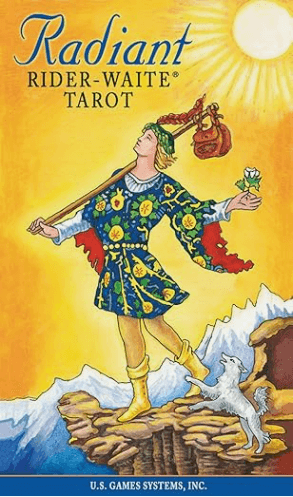
Radiant Rider-Waite Tarot
The gold standard for beginners. Rich symbolism, vibrant colors, and the foundation of modern tarot.
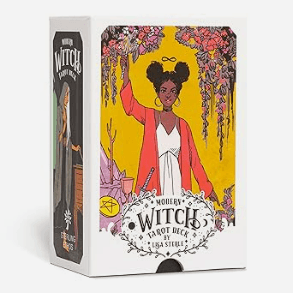
Modern Witch Tarot Deck
A contemporary, inclusive take on traditional imagery. Perfect for modern readers.
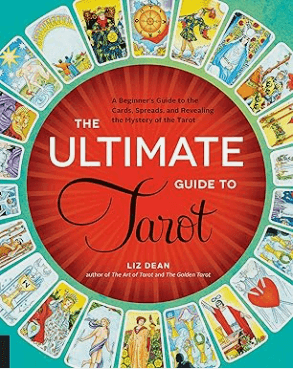
The Ultimate Guide to Tarot
The definitive guide to card meanings, spreads, and intuitive reading by Liz Dean.
Frequently Asked Questions
Can I teach myself tarot?
Yes, tarot is entirely self-teachable. Most experienced readers began by studying on their own, drawing daily cards, and gradually building their understanding. The key is consistent practice and patience with yourself.
What tarot deck should a beginner use?
The Rider-Waite-Smith deck is the most recommended starting point. Its imagery is rich with visual storytelling that helps beginners understand card meanings intuitively. Once you're comfortable, you can explore other decks.
How long does it take to learn tarot?
You can perform simple readings within weeks of starting. Developing fluency typically takes 6-12 months of regular practice. Mastery is an ongoing journey that continues for years.
Should I read tarot for myself?
Absolutely. Reading for yourself is how most people practice and learn. The challenge is maintaining objectivity, but this improves with experience. Self-readings are valuable for reflection and personal insight.
Do I need psychic abilities to read tarot?
No. Tarot reading is a skill that develops through study and practice. While some readers incorporate intuition, the cards themselves carry meanings that anyone can learn to interpret through careful observation.