The Star
✦ Major Arcana ✦
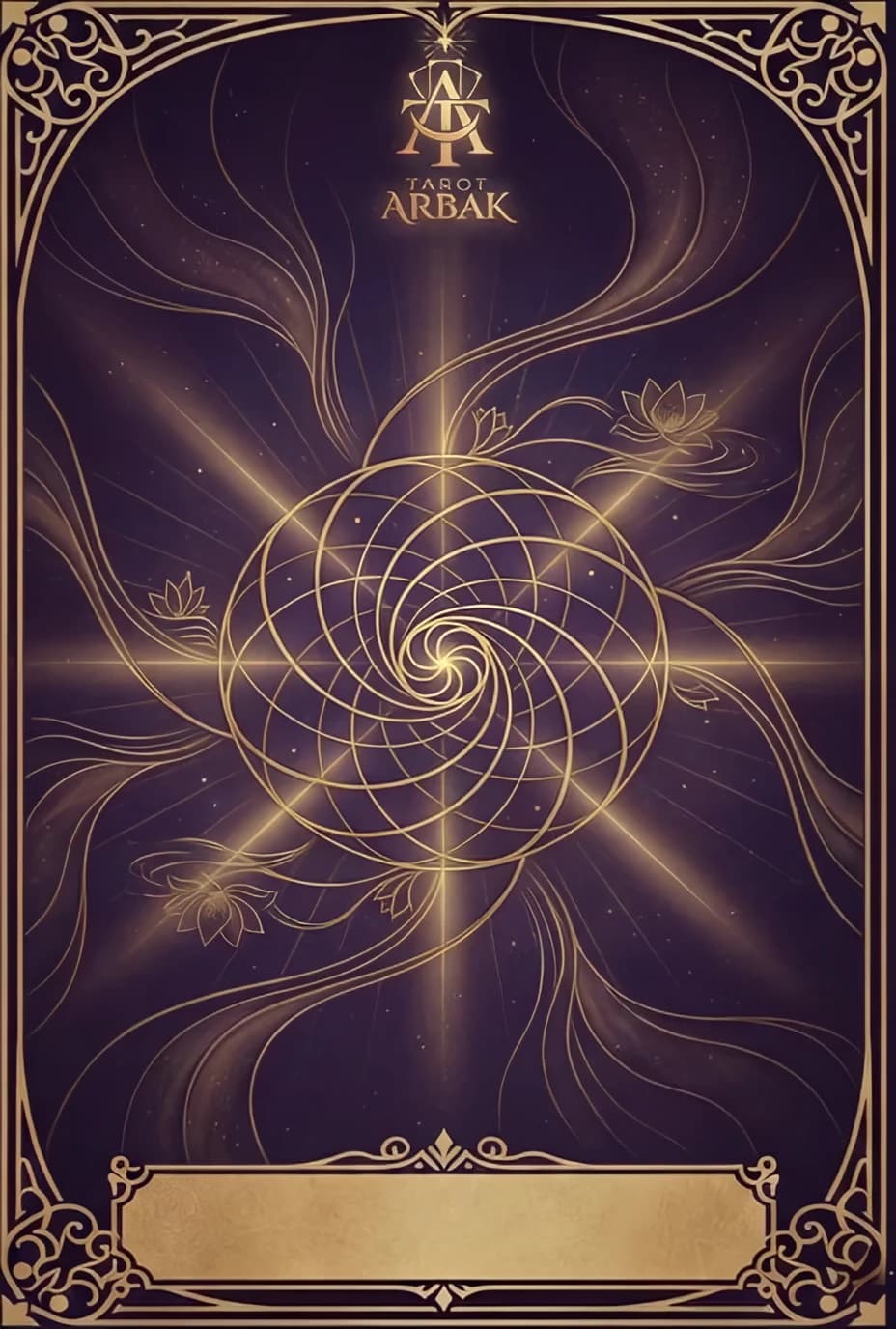
The star tarot card meaning follows The Tower in the Major Arcana sequence, appearing at the precise moment when truth no longer wounds and the nervous system reaches its first true calm. Where The Tower shatters illusion with sudden revelation, The Star offers what comes after: a space where devastation has settled into something manageable. In traditional decks, a naked figure kneels by water, pouring from two vessels toward earth and water. Tarot Arbak removes the human figure entirely—this is intentional. The field heals first; the self has not yet returned.
The Star card does not promise hope—it shows a space where hope is no longer needed.
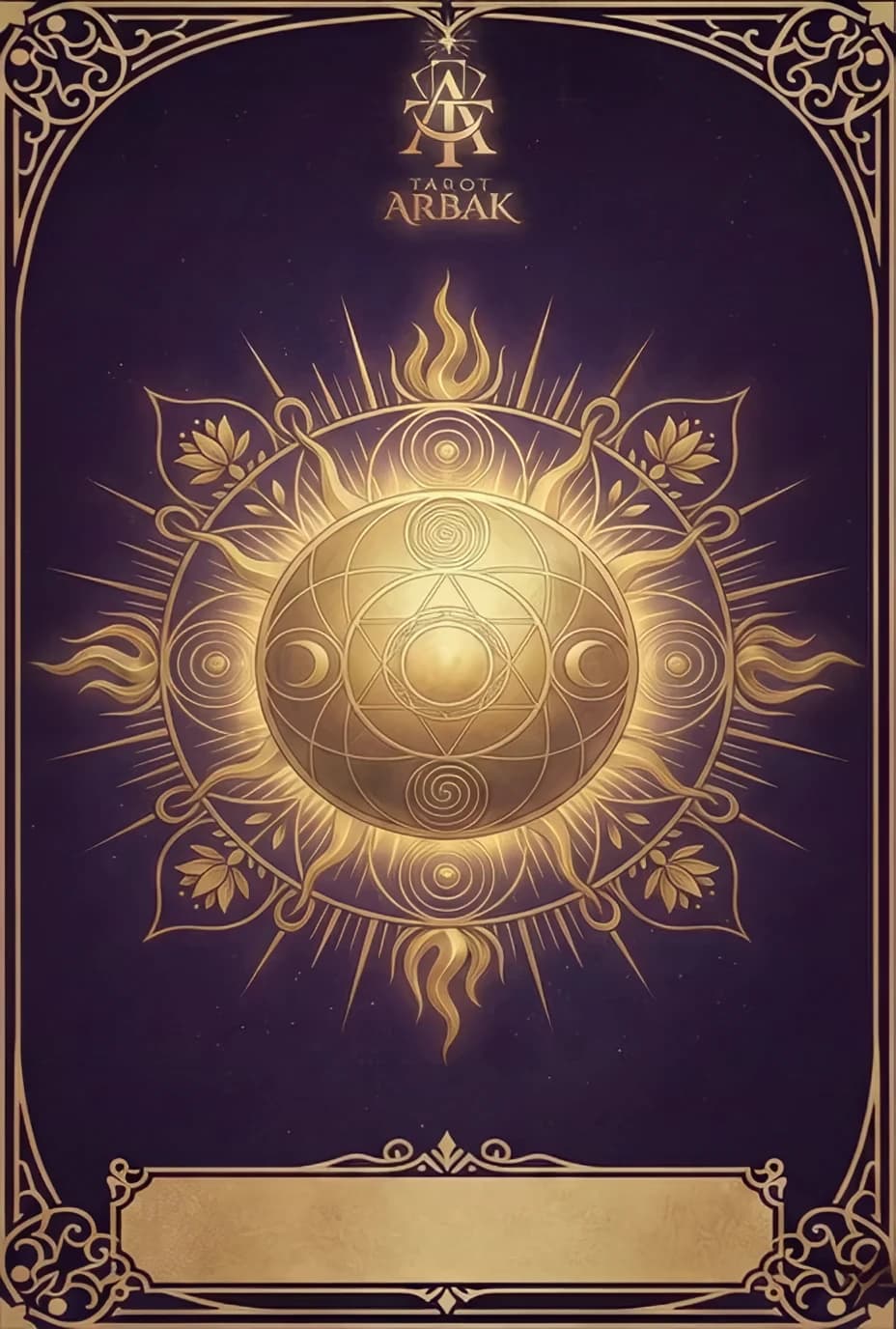
The central spiral represents what remains after chaos: integrated flow rather than loss. Light rays around this spiral spread rather than explode—this card opens space rather than granting power. The Star does not act; it allows. This distinction matters. Action belongs to earlier cards; The Star marks the point where doing becomes unnecessary, where being in the aftermath is enough.
The number 17 carries numerological significance—1+7=8, the number of balance and power—but The Star teaches that power in this form appears as presence, not force. Rider-Waite imagery shows a figure performing ritual: water poured intentionally, consciously distributed between realms. Tarot Arbak abstracts this ritual into its essence: the spiral itself, rotating where once water flowed. Flow implies loss; rotation implies integration. This difference changes everything about how we understand The Star's healing message.
The Star asks the central question: What remains when you stop bleeding? The card does not say 'you are healed.' It says 'you are no longer bleeding.' That is enough. This is not triumph but the quieter moment when pain has become manageable and the capacity to exist peacefully returns.
The Star Symbolism
The star tarot card meaning reveals itself through deliberate abstraction. Every element in Tarot Arbak's version serves a specific purpose: removing human presence to emphasize the field, converting flowing water to rotating spiral, expanding light into gentle radiance rather than explosive force. Understanding these symbols transforms how we receive The Star's healing message.
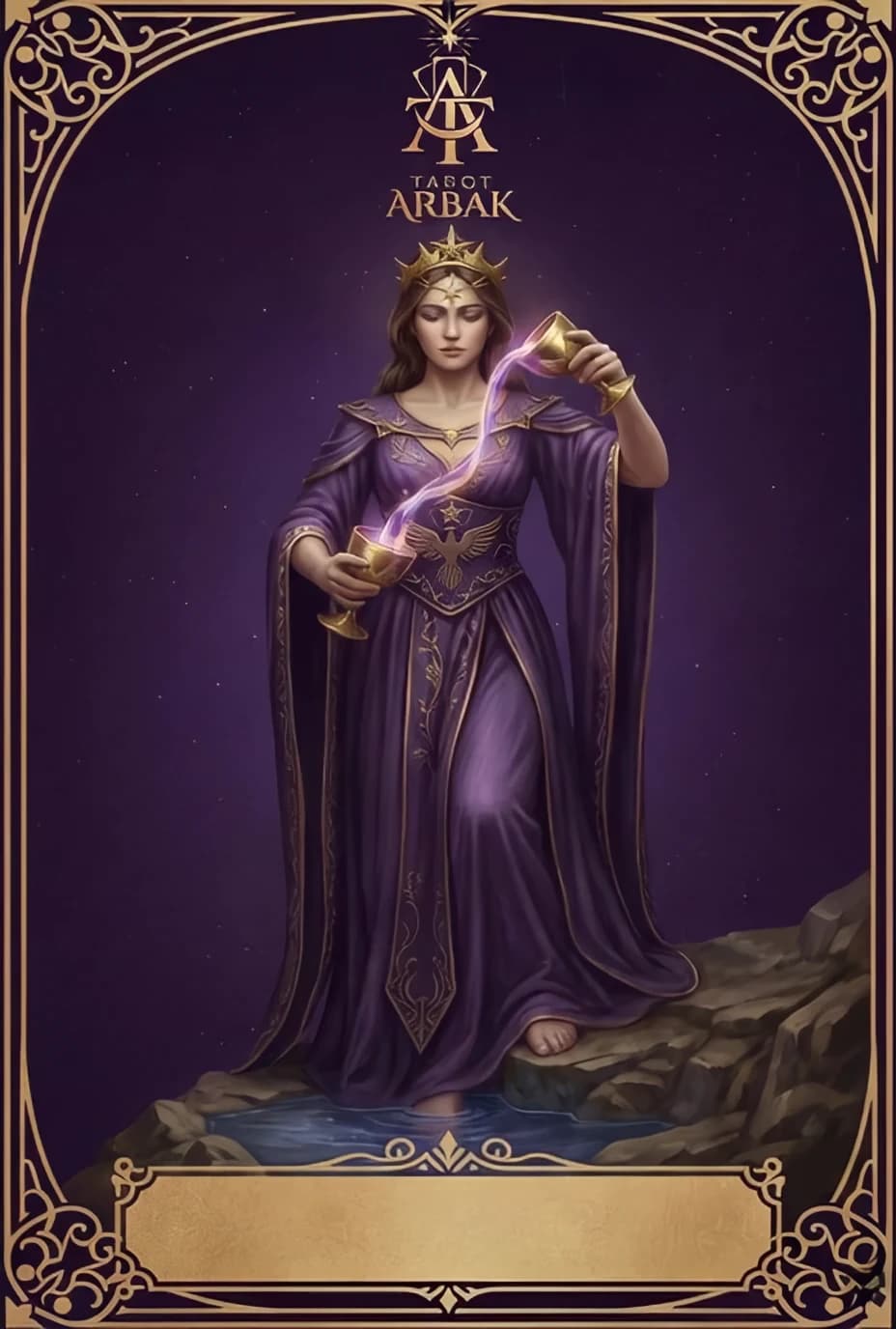
In Rider-Waite tradition, The Star depicts a nude figure kneeling by water, holding two vessels from which water pours—one to earth, one to water. Seven-pointed stars illuminate the sky above. This scene conveys hope through renewal, divine blessing through ritual action. Tarot Arbak takes these elements deeper, stripping away the actor to reveal what remains when human presence withdraws entirely.
Central Spiral: Integrated Flow
The spiral at the card's center represents integrated consciousness rather than poured resource. In traditional decks, water flows from vessels—movement implying loss, depletion, giving away what you contain. Tarot Arbak converts this flow into rotation: the spiral turns upon itself, containing and integrating rather than pouring out.
Flow represents loss; rotation represents integration.
This transformation teaches a fundamental lesson about healing: recovery is not about replenishing what was spent but about reorganizing what remains into new patterns. The spiral holds its own energy, circulates it, transforms it through internal movement rather than external expenditure. This is the difference between recovering from trauma and integrating trauma—between returning to who you were before and becoming someone who carries wisdom forward.
Radiating Light: Gentle Presence
Light rays emanating from the central spiral do not explode outward but spread softly. This distinction matters profoundly. Explosion implies force, sudden change, power applied. Spreading implies expansion, gentle influence, presence allowing rather than energy demanding. The Star does not force healing; it creates conditions where healing can occur naturally.
This soft radiance teaches that The Star operates through permission rather than intervention. The light does not penetrate; it surrounds. The healing does not happen to you; it happens around you, creating space where recovery becomes possible. You cannot force this process any more than you can force a wound to close—you can only create conditions where natural healing occurs and trust the body's wisdom to do its work.
Lotus Motifs: Unopened Potential
Lotus forms appear around the spiral, representing potential that has not yet manifested. In Rider-Waite, vegetation grows lush and present—nature already thriving. Tarot Arbak shows lotus buds, forms that could bloom but have not yet. This distinction reveals The Star's relationship to time: it does not show the result but the field where results become possible.
The unopened lotus teaches that The Star is not about outcomes but about capacity. Something wants to grow here. The conditions are right. But the blooming has not occurred yet—and that is exactly as it should be. The Star asks you to trust the potential without demanding immediate proof. The field is healing; what will grow there remains to be seen.
Absent Human Figure: Ego Withdrawal
The most striking difference between Tarot Arbak and traditional depictions is the absence of any human presence. No figure kneels by water. No hands pour from vessels. No eyes gaze upward toward stars. This emptiness is not absence but teaching: in the Star phase, the ego has withdrawn, and the field itself is what matters.
The self has not yet returned; the space itself is healing.
This teaches that some phases of recovery require stepping back from active participation. You cannot heal yourself through effort any more than you can make yourself sleep through will. The nervous system regulates when you stop trying to control it. The wound closes when you stop picking at it. The Star invites you to trust the field's capacity for self-repair rather than insisting on constant intervention.
Seven-Pointed Stars: Cosmic Order
The stars surrounding the central image represent cosmic order and divine presence. In traditional numerology, seven represents spiritual completion, the union of divine (3) and material (4). The Star's seven-pointed configuration suggests that what appears here follows sacred pattern rather than random chance—healing unfolds according to order we may not understand but can trust.
These stars teach that you are held within something larger than your individual crisis. The universe has not abandoned you, even when everything fell apart. The Star appears to remind you that destruction and creation are part of the same cosmic cycle—that what collapsed made space for what will emerge, and that emergence follows natural law you can trust even without understanding it fully.
Soft Color Palette: Nervous System Calm
The overall color scheme in Tarot Arbak's Star uses soft, muted tones rather than vivid intensity. This visual choice is not aesthetic but therapeutic: the palette itself communicates nervous system regulation. Where The Tower's imagery would suggest chaos and intensity, The Star offers visual rest—colors that soothe rather than stimulate.
This teaches that The Star represents a physiological state as much as a spiritual one. The fight-or-flight activation has subsided. The adrenal system has calmed. The body can rest, digest, and repair. This is not merely psychological but biological—The Star marks the point where trauma response has ended and recovery response has begun. The soft colors invite your nervous system to match their frequency, to settle into the calm they represent.
- Symbol 1
Central spiral: integrated flow
- Symbol 2
Radiating light: gentle presence
- Symbol 3
Lotus motifs: unopened potential
- Symbol 4
Seven-pointed stars: cosmic order
- Symbol 5
Absent human figure: ego withdrawal
- Symbol 6
Soft color palette: nervous system calm
- Symbol 7
No action: being over doing
The Star as Feelings: When the Heart Stops Bleeding
When examining the star as feelings, this card reveals an emotional landscape of post-crisis calm, gradual healing, and the capacity to feel safely again after devastation.
Upright: Emotional Recovery
When The Star appears as feelings upright, the emotional state involves:
- Post-crisis calm — The person has survived something devastating and the emotional storm has passed. They are not thriving yet, but they are no longer drowning. The heart can breathe again.
- Quiet hope — Not enthusiastic optimism but the gentle sense that recovery is possible. The despair has lifted enough that the future does not feel entirely impossible.
- Emotional safety — The person feels capable of experiencing emotions without being overwhelmed by them. The nervous system has regulated enough that feelings become manageable.
- Gentle presence — There is capacity to simply be with whatever emotions arise without needing to fix, change, or escape them. The heart is learning to hold its own experience.
Reversed: Emotional Blockage
When The Star appears reversed as feelings:
- Stuck in crisis — The emotional system has not yet found calm. Trauma responses continue cycling despite external circumstances having stabilized. The heart cannot rest.
- Forced positivity — Pretending to feel better than actually feeling. The person may be performing recovery while still wounded internally, creating dissonance between surface and depth.
- Loss of hope — Despair that feels permanent rather than temporary. The person cannot believe that peace will ever return after what happened.
- Emotional avoidance — Refusing to feel what remains after collapse. Numbing, distracting, or staying busy to avoid the quiet work of genuine healing.
The Star Tarot Advice: Allow Healing to Happen
When The Star appears in your reading, the star tarot advice centers on allowing rather than forcing. You have survived something devastating. Now comes the quieter work of integration—slower than you want, gentler than you expect, and more necessary than you realize.
The core message is simple: stop trying to heal yourself and let healing happen. The Star does not require action. It requires presence. The nervous system regulates when you stop trying to control it. The wound closes when you stop picking at it. Recovery unfolds when you stop rushing it.
Specific advice by situation:
-
After crisis — Allow yourself to be in the aftermath without immediately rebuilding. The space between collapse and reconstruction is sacred. Let the dust settle completely before you start clearing it.
-
In relationships — Focus on healing your own heart before seeking connection with others. You attract what you are. Becoming whole matters more than finding someone. Trust that healthy love will come when you are ready.
-
Career transition — Take genuine time for reflection rather than frantic searching. What do you actually want? What fulfills you? This pause is not wasted—it is preparation for more aligned work.
-
Spiritual exhaustion — You do not need more practices right now. You need rest. The nervous system cannot integrate while overstimulated. Spiritual growth sometimes requires spiritual rest.
-
Emotional overwhelm — Let feelings be present without trying to fix them. The Star creates safe space for emotions to exist. You do not have to process everything at once. Gentle presence is enough.
The ultimate Star advice: You are no longer bleeding. That is enough for now. Trust the slow process of integration that cannot be rushed.
The Star appears not to demand action but to offer permission. You are allowed to rest. You are allowed to heal slowly. You are allowed to be in the aftermath without immediately knowing what comes next. The field is safe. The nervous system is calming. What needs to grow will grow in its own time. Your only task is to allow it.
UPRIGHT MEANINGS
General Meaning
When The Star appears upright, the star tarot card meaning signals that you have entered a period of post-trauma calm and gradual integration. The crisis that shattered your reality has settled; the dust has cleared enough that you can begin breathing normally again. This is not the moment of triumphant recovery but the quieter moment when pain has become manageable. You are no longer bleeding from wounds inflicted by truth, but you have not yet rebuilt what was lost. This space—between collapse and reconstruction—is sacred and necessary.
The Star does not promise hope; it shows a space where hope is no longer needed.
This position indicates that your nervous system is regulating again. The fight-or-flight activation that accompanied crisis has subsided; you can rest, reflect, and process without constant emergency arousal. The card asks you to allow this phase rather than forcing yourself to hurry toward full recovery. Healing has its own timeline, and The Star represents the slow, gentle process of integration that cannot be rushed without causing further harm.
The Star may appear after major life transitions: divorce, job loss, spiritual deconstruction, health crises, or any experience that fundamentally altered how you understand reality. The card acknowledges that you have survived something devastating and affirms that the capacity to recover is already present within you.
Love & Relationships
In love readings, the star tarot card meaning upright suggests a healing phase in emotional life. You may be recovering from heartbreak, betrayal, or the collapse of a relationship that once defined you. This card does not promise immediate new romance but indicates that the emotional field is beginning to recover its capacity for connection. For singles, The Star advises focusing on self-healing before actively seeking partnership—you attract what you are, and right now becoming whole matters more than finding someone.
For those in partnerships, The Star may indicate a period of recovery after conflict or crisis. The relationship has weathered something difficult and is now entering a quiet phase of integration. This is not necessarily a breakup warning, but it does suggest that rushing back to normal may miss the opportunity for deeper transformation.
The Star in love asks: what does your heart need right now, not what do you want it to need?
The Star in love readings emphasizes emotional capacity over romantic activity. You may feel quieter, less interested in dating, more focused on inner healing. This is not a problem to fix but a phase to honor. When the heart has been wounded, recovery begins with capacity to feel again safely, not with seeking new intensity immediately.
Career & Money
Professionally, the star tarot career meanings suggest a period of recovery and recalibration after career disruption. You may be recovering from job loss, burnout, a failed project, or the realization that your previous career path no longer serves you. This card does not promise immediate new opportunities but indicates that the professional field is settling enough for you to consider next steps with clarity rather than panic.
If you are between positions or in transition, The Star advises taking this time for genuine reflection rather than frantic searching. What do you actually want from work? What are you good at that genuinely fulfills you? The card creates space for honest assessment without immediate pressure to decide. This pause is not wasted time but necessary preparation.
For those in stable positions, The Star may indicate a period of low-key productivity and quiet improvement. You are not launching bold initiatives or seeking rapid advancement, but you are developing skills, building capacity, and integrating lessons from previous challenges. This phase of gradual improvement often produces stronger foundations than explosive growth.
REVERSED MEANINGS
General Meaning
The star tarot card meaning reversed indicates difficulty accessing the calm that The Star represents. You may be stuck in crisis energy even after the external situation has stabilized—truth still hurts, the nervous system cannot settle, you feel unable to rest in the aftermath. Alternatively, this reversal can indicate spiritual bypassing: forcing yourself to feel positive before genuine integration has occurred, pretending you're healed when you're still wounded, or using spiritual concepts to avoid facing pain honestly.
The reversed Star asks whether you are rushing recovery or refusing to allow it.
Sometimes the reversal means you have lost hope entirely, cannot believe that peace will ever return after devastation. The despair feels permanent, not temporary. The card acknowledges this darkness without denying it: sometimes the absence of hope is honest, and pretending otherwise creates internal dissonance that delays actual recovery.
This position may also indicate avoidance of the quiet work of integration. Perhaps you are distracting yourself with busyness, substances, relationships, or entertainment rather than allowing yourself to feel whatever remains after collapse. The Star requires willingness to be still with pain; the reversal may reveal resistance to that stillness.
Love & Relationships
In love readings, the star tarot card meaning reversed may indicate stuck emotional patterns or premature attempts at connection before genuine healing has occurred. You might be jumping into new relationships too quickly, using romance to avoid feeling the pain of previous loss. Alternatively, you may have lost all capacity for romantic hope, believing that heartbreak has permanently damaged your ability to love.
If this describes someone else, they may be unavailable for genuine connection because they are still stuck in trauma reactions—alternating between pushing people away and demanding instant intimacy without the emotional capacity for either. The reversed Star warns that relationships formed during this phase often reflect unhealed wounds more than authentic compatibility.
The reversal can also indicate romantic cynicism or bitterness. You may have become so protective against further hurt that you have walled yourself off entirely, refusing to risk even when genuine opportunity appears. The reversed Star asks: are you protecting yourself from pain or from growth?
Career & Money
Professionally, the star tarot career meanings reversed warn of several potential issues. You may be trying to force career recovery after disruption, pushing yourself back into similar patterns without learning from what happened. Alternatively, you may have lost all confidence in your professional abilities, believing that failure has permanently damaged your prospects.
This reversal can indicate career cynicism: becoming bitter about your field or opportunities to the point that genuine enthusiasm becomes impossible.
Sometimes the reversal reflects career stagnation—not from lack of opportunity but from avoidance of necessary recalibration. You might be staying in a toxic situation because facing the unknown feels more dangerous than enduring the familiar dysfunction. The reversed Star may indicate burnout that has not been allowed to heal, leaving you operating at reduced capacity without acknowledging the need for real recovery time.
The card calls for honest assessment: are you rushing back to work you've outgrown? Are you avoiding the necessary career reflection? Forced recovery delays actual healing.
Frequently Asked Questions
Maintain the Crystalline Infrastructure
Tarot Arbak exists beyond ads and algorithms. Your contribution ensures the permanence of the Logos.